
OPTIMISM. OPTIMISMO.
El lado positivo de las cosas. Looking at the silver lining in every cloud.

Photo source: www.pexels.com
Esta es nuestra primera edicion para los Lunes de Salud.
Si bien es cierto que existe una tendencia en algunas comunidades a tener una visión fatalista sobre el cáncer, y de lo cual hablaremos en otro artículo, en esta publicación nos concentramos en el aspecto positivo. Hay muchas razones para el optimismo. Aquí haremos una especie de crónica acerca de un caso especifico en la búsqueda esperanzada de resultados alentadores.
Empezaremos haciendo una descripción limitada para algunos de los componentes de esta jornada.
PRINCIPALES LINEAS DE TRATAMIENTO EN LOS ESTADOS UNIDOS Y OTROS PAISES:
Esta es una introducción simplificada, debido a la complejidad de aspectos a considerar para las diferentes terapias utilizadas, en cuanto a dosis, efectos secundarios de los tratamientos, tasa de efectividad, y otros factores. Estamos confiados de poder ampliar los conceptos en futuros artículos.
La Radioterapia y el uso de Cisplatin también serán objeto de otras publicaciones.
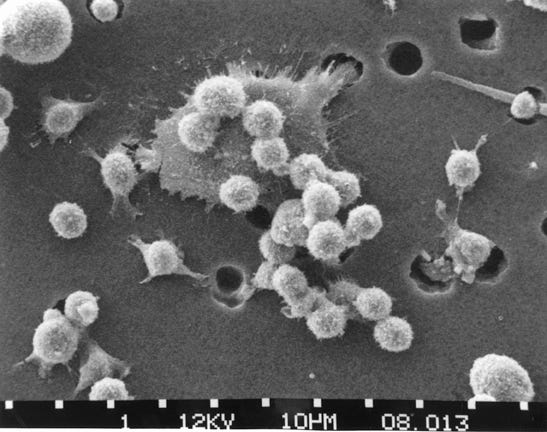
Photo: NCI Visuals: https://visualsonline.cancer.gov
A. QUIMIOTERAPIA:
CARBOPLATINO : Este es un derivado del Cisplatino. Aparte de los variados efectos secundarios bien documentados de este producto, su mecanismo de acción principal es la modificación en la estructura del ADN de las células cancerosas, y la inhibición de la síntesis del ADN, lo cual afecta las células en todas las fases de su ciclo vital.
PACLITAXEL (TAXOL): Provoca arresto mitótico, el cual consiste en el bloqueo del crecimiento celular, al detener la división de las células, lo que trae consigo la muerte de dichas células.
BEVACIZUMAB (AVASTIN): Este es un anticuerpo monoclonal que se une a la actividad del factor de crecimiento endotelial vascular, evitando así que este interactúe con el correspondiente receptor en el recubrimiento de los vasos sanguíneos. Todo ello inhibe el proceso de angiogenesis, la cual consiste en la formación de nuevos vasos sanguíneos necesarios para el crecimiento de un tumor.
ALTERNATIVAS NATURALES:
Los beneficios que ofrecen las sustancias que encontramos en las plantas están bien documentados en publicaciones científicas. Aun falta mucha por aprender acerca de este tema.
En el artículo del pasado 6 de marzo habíamos empezado a revisar los beneficios de algunas hierbas con las cuales nos hemos familiriazado recientemente. Vamos a continuar nuestra revisión.
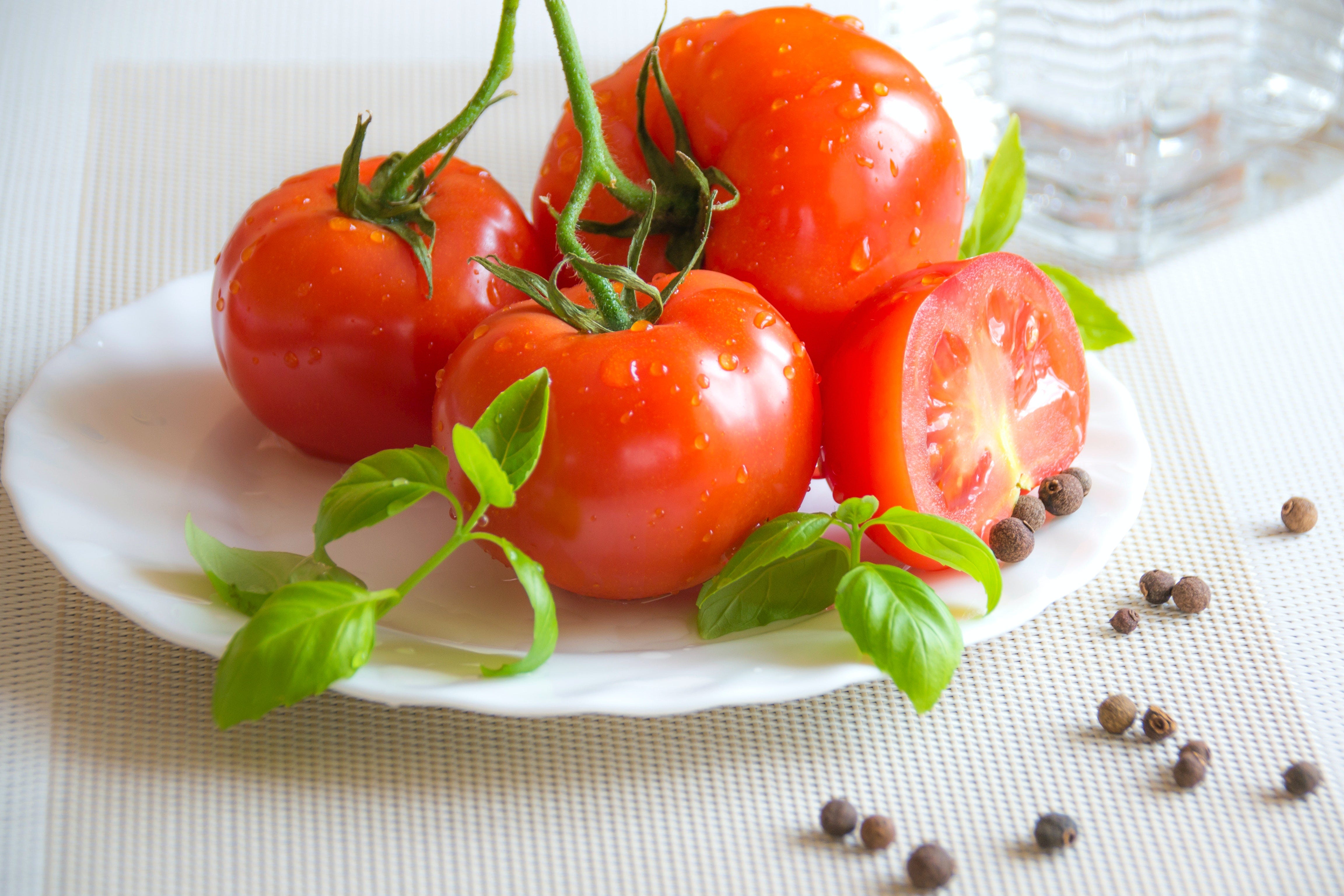
Photo by PhotoMIX Company: https://www.pexels.com/photo/tomato-top-of-white-ceramic-plate-96616/
Licopeno: Entre los mecanismos de acción contra el cáncer, el licopeno detiene el crecimiento de las células cancerosas, al tiempo que evita daño al AND. Además fortalece las enzimas responsables de neutralizar productos cancerosos.
El licopeno se encuentra principalmente en los tomates, pero también lo encontramos en la sandia, la toronja y otros.
DIETA Y ESTILO DE VIDA:
Somos lo que comemos, dice el refrán. Existe una multiplicidad de estrategias respecto a las mejores dietas a seguir, y el efecto que tienen en el proceso de recuperación.
En artículos subsiguientes discutiremos este tema en detalle.
TERAPIAS ALTERNATIVAS A NIVEL INTERNACIONAL:
- Medicina Tradicional China: (TCM, siglas en ingles)
Tal como el nombre lo sugiere, en el territorio chino hay un uso bastante extendido de métodos curativos alternativos, los cuales no se basan en productos químicos industrializados, sino en productos herbarios, acupuntura y tai chi (técnicas de relajación mental), entre otras estrategias, al punto de haber integrado esta filosofía de tratamiento en centros de salud y universidades.
En los siguientes enlaces puede encontrarse una información introductoria básica acerca de este tema:
https://www.nccih.nih.gov/health/acupuncture-what-you-need-to-know
https://www.nccih.nih.gov/health/herbsataglance
https://www.nccih.nih.gov/health/traditional-chinese-medicine-what-you-need-to-know
https://www.nccih.nih.gov/health/tai-chi-what-you-need-to-know
Falta mucho aun por descubrir. Hagámoslo juntos
English version:
This is our first Health Monday edition.
While there is this widespread phenomenon called ‘cancer fatalism’, which will be the subject of an ulterior article, we are all about positivism and hope. There are many objective reasons to be upbeat. This space will be a chronicle of a specific case in the hopeful quest for positive outcomes.
Along the lines of treatment available to us, we’ll start a detailed description of the components:
- MAINSTREAM STANDARD LINES OF TREATMENT IN USA AND OTHER COUNTRIES.
This is a simplified introduction, since there are many aspects to consider for the different approaches: doses, side effects, effectiveness rates, and others. Hopefully, we’ll have the opportunity to further expand on every concept.
Radiotheraphy and Cisplatin well be treated separately in another article.
CHEMOTHERAPHY:
- CARBOPLATIN: This is a derivative of Cisplatin. Aside from the multiple well documented side effects of this product, the main mechanism of action is the modification of the DNA structure of cancer cells, and the inhibition of the DNA synthesis, thus affecting cells in all phases of their cycle.
- PACLITAXEL (Taxol): It causes mitotic arrest, which consists of blocking cancer cell growth by stopping cell division, which ultimately results in cell death.
- BEVACIZUMAB (AVASTIN) : This is a monoclonal antibody, which binds the vascular endothelial growth factor in order to inhibit angiogenesis, which is the formation of new blood vessels that are necessary for the growth of tumors.
NATURAL ALTERNATIVES:
The beneficial effect of substances found in plants –innumerable varieties-- has been well documented in scientific publications. There’s still much more to learn about this issue.
On our March 6th article, we started to review some benefits of herbs which we have been familiarizing with recently. Here we continue to review some additional herbs and supplements:
HERBS, FRUITS, VEGETABLES:
- Lycopene: Among the mechanisms of action to fight cancer, it helps stopping the growth of cancer cells, while at the same time preventing damage to the DNA. It also enhances the enzymes that break down products that cause cancer.
Lycopene is mainly found in tomatoes. It’s also found in watermelons, grapefruit and other fruits.
DIET AND LIFESTYLE:
We are what we eat, so the saying goes. There is a multiplicity of strategies and approaches for the best diets to follow, and what effect they have on the recovery process.
In future articles we will discuss this subject in detail.
B. DIFFERENT THERAPY ALTERNATIVES AT AN INTERNATIONAL LEVEL
- Traditional Chinese Medicine (TCM)
As suggested by the name, in China there is a widespread use of alternative healing methods which don’t rely mainly on industrialized chemical compounds, but rather on herbal products, acupuncture, tai chi (mental relaxation techniques), among other strategies, to the point of integrating this treatment philosophy to the health centers, and universities.
In the following links there is some introductory info about this subject:
https://www.nccih.nih.gov/health/acupuncture-what-you-need-to-know
https://www.nccih.nih.gov/health/herbsataglance
https://www.nccih.nih.gov/health/traditional-chinese-medicine-what-you-need-to-know
https://www.nccih.nih.gov/health/tai-chi-what-you-need-to-know
There’s still much more to discover. Let’s do it together.
Información interesante y valiosa para nuestra vida.